

Plangud Explained: What the Word Means and Where It Is Used
A clear look at the Estonian meaning, wooden-plank uses, online confusion, and the modern Plangud name

Introduction
Plangud is an unusual search term because the internet gives several very different explanations for it. Some pages connect the word with planning and productivity. Others discuss timber, wooden boards, construction, and woodworking.
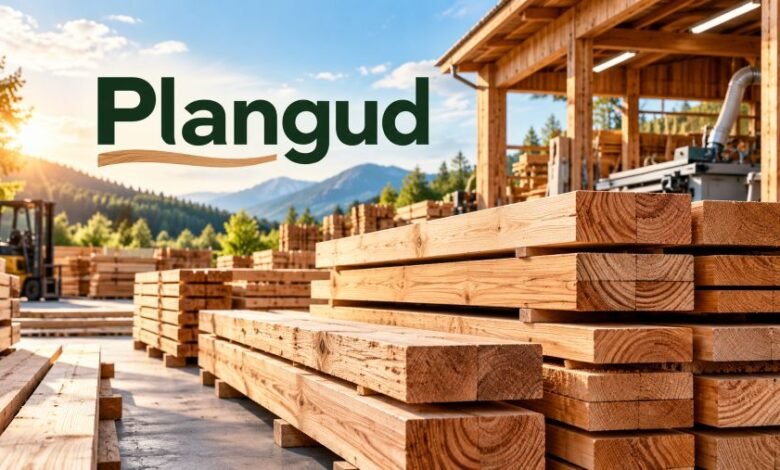
The verified meaning is much simpler. In Estonian, plangud is a plural word form of plank, referring to thick wooden boards or planks. Estonia’s Sõnaveeb dictionary lists the forms “plank | plangud” and describes plank as a thick, broad board sawn from a substantial tree trunk.
At the same time, Plangud is also being used online as a website and brand name. That second use should not be confused with the established Estonian word.
Quick Facts
| Detail | Information |
|---|---|
| Keyword | Plangud |
| Language origin | Estonian |
| Singular form | Plank |
| Plural form | Plangud |
| Basic English meaning | Planks / thick wooden boards |
| Common contexts | Timber, woodworking, building, fencing |
| Also used online as | Website or brand name |
| Is it a standard English word? | No |
| Is one digital-planning definition universally accepted? | No |
What Does Plangud Mean?
The clearest meaning comes from the Estonian language.
Sõnaveeb, a dictionary resource maintained by the Estonian Language Institute, records plank as a wooden board and gives plangud as its plural form. Its definition describes this type of plank as a relatively thick and broad board cut from a large tree trunk.
In simple English:
Plank = one plank
Plangud = multiple planks
This makes the term far less mysterious than many online descriptions suggest.
If you encounter the word beside terms such as timber, sawmill, wood, boards, flooring, fence, furniture, or construction, it is probably being used in this ordinary material sense.
Why Are Search Results So Confusing?
Search for this term today and you may find completely different answers.
One article may call it a productivity method. Another may describe it as a digital planning system. A third talks about wooden boards.
There is a reason for this.
The established Estonian word already existed, while newer websites and publishers have adopted the same spelling for other purposes. As the keyword appeared on more English-language websites, additional interpretations began to circulate.
That does not mean every interpretation has the same linguistic basis.
When researching an unfamiliar keyword, the source matters. A dictionary definition carries different weight from a blog creating its own interpretation of a word.
The Timber Meaning
Woodworking is one of the most natural contexts for the term.
A plank is thicker and more substantial than many thin boards. Depending on the timber species, dimensions, moisture content, and treatment, planks may be suitable for numerous woodworking or building jobs.
They can appear in projects involving:
- Furniture
- Flooring
- Fences
- Outdoor structures
- Shelving
- Benches
- Interior woodwork
- Traditional construction
- Boat-related woodworking
The exact application depends on the wood itself.
A word such as plangud does not tell a buyer what species the timber is, how dry it is, whether it has been chemically treated, or whether it can carry structural loads. Those details must come from the product specification or timber supplier.
Size and Thickness Matter
Not every wooden plank is interchangeable.
Sõnaveeb describes the underlying Estonian word plank as a comparatively thick board, approximately 5–10 centimetres thick in its dictionary definition.
Real commercial timber dimensions can vary considerably.
Before buying boards for a project, it is worth checking:
- Thickness
- Width
- Length
- Wood species
- Moisture content
- Surface finish
- Treatment
- Intended application
For decorative work, appearance and grain may matter most. For structural work, strength grading and compliance with relevant building requirements can become much more important.
Rough-Sawn and Finished Wood
Planks can reach a customer in different conditions.
Rough-sawn timber normally retains a more natural, unfinished surface after cutting. It can be useful when the wood will be processed further in a workshop.
Planed timber has been machined to create smoother and more consistent surfaces.
Neither option is automatically better.
A furniture maker might prefer timber that can be milled to exact dimensions. A homeowner completing a simple decorative project may prefer boards that arrive smoother and require less preparation.
Understanding the intended use is more useful than choosing solely by appearance.
Choosing Good Wooden Planks
Good timber selection starts before any cutting begins.
Look closely at the board rather than assuming every piece in the same stack has identical characteristics.
Check for severe twisting, bowing or cupping. Look at knot placement. Examine visible splits and damaged edges. Moisture is important too because wood can change shape as its moisture level changes.
For demanding projects, especially structural ones, material specifications should come from the supplier rather than guesswork.
Wood is a natural material. Variation is expected.
That is part of its appeal, but it also means selection matters.
Plangud and Fencing
The underlying Estonian word has a connection with fencing as well.
Dictionary material shows plank being used not only for a thick board but also in contexts involving board fencing. The Estonian Language Institute’s dictionary examples include planks used in fences and stacks of thick timber.
This is useful when interpreting Estonian product listings or older texts.
A page mentioning the term near words connected with gardens, boundaries, timber or construction is much more likely to be discussing physical wood than digital planning.
Context usually solves the mystery.
Is Plangud a Planning Platform?
This requires a careful answer.
A website operating under plangud.com currently describes itself as “Your Digital Planning Framework” and also calls Plangud a modern planning platform.
However, its publicly indexed website contains articles covering broad subjects such as celebrities, technology, lifestyle, education and automotive topics. Its contact page also describes the property as a creative digital platform and advertises guest posts, backlinks and sponsored-content opportunities.
So the safest distinction is:
Plangud is a verified Estonian word meaning planks, while “Plangud” can separately function as the name of a modern website or brand.
That does not establish “digital planning system” as the original dictionary meaning of the word.
How to Understand the Term From Context
You do not need linguistic training to work out which meaning is intended.
Look at the words surrounding it.
If you see:
Wood + timber + sawmill + construction + fence
the term probably means wooden planks.
If you see:
Website + content + guest post + sponsored article
the reference may be to the Plangud website or brand.
If you see:
Goals + productivity + planning + tasks
the author may be using Plangud as a newly created planning concept rather than its traditional Estonian meaning.
This context-first method is safer than assuming every search result describes the same thing.
Why the Original Meaning Matters
Small factual errors can spread quickly online.
One website publishes an unsupported definition. Another rewrites it. Then another repeats the same claim. Eventually, the volume of pages can make a new explanation appear established even when authoritative language sources say something different.
Plangud is a useful example of why original sources matter.
For its linguistic meaning, an Estonian dictionary is stronger evidence than unrelated English-language blog posts.
For a particular company or website, information published by that organization can explain how it chooses to use the name—but that does not rewrite the dictionary definition.
The two uses can coexist.
They simply need to be identified correctly.
Is Plangud a Brand Name?
It can be.
Words that already exist in one language are often adopted as names by websites, businesses, products or online projects.
That appears to be happening here.
The existence of a Plangud-branded website does not mean every appearance of the lowercase word plangud refers to that website.
Think of context first.
An Estonian sawmill and an online publishing website could use exactly the same sequence of letters while referring to completely different things.
Final Thought
Plangud looks complicated mainly because modern search results mix several unrelated uses.
Its established linguistic meaning is straightforward: plangud is an Estonian plural form referring to planks or thick wooden boards. The Estonian Language Institute’s Sõnaveeb dictionary directly records the singular and plural forms as plank | plangud.
The same spelling is now also used as an online brand name, and some websites have attached productivity or planning interpretations to it.
The best way to understand the term is therefore simple: check the context and separate documented language meaning from newer branding.
Frequently Asked Questions
What does Plangud mean?
Plangud is the plural form of the Estonian word plank. In its established timber meaning, it refers to planks or thick wooden boards.
Is Plangud an English word?
No. Its documented linguistic use comes from Estonian.
What is the singular form of Plangud?
The singular form is plank. Sõnaveeb lists the word forms as plank | plangud.
Is Plangud related to wood?
Yes. The established Estonian meaning is directly connected with thick wooden boards or planks.
Can Plangud refer to a website?
Yes. Plangud.com currently uses the name for an online platform and publishing website. That is a brand use and should be distinguished from the Estonian dictionary meaning.
Is Plangud a productivity method?
Some modern online articles use the term in planning and productivity contexts. However, this should not be confused with its verified Estonian linguistic meaning.
Where are wooden planks commonly used?
Depending on their size, species and specification, wooden planks may be used for furniture, fences, floors, outdoor structures and general woodworking.
Why are there different definitions online?
The same spelling is being used in unrelated contexts. Some pages discuss the Estonian word, while others treat Plangud as a website, brand or independently created planning idea.