

John Pienaar: The Journalist Who Took Westminster Politics to the Airwaves
From local newspaper reporting to the BBC and Times Radio, the story of a familiar voice in British political journalism.

Introduction
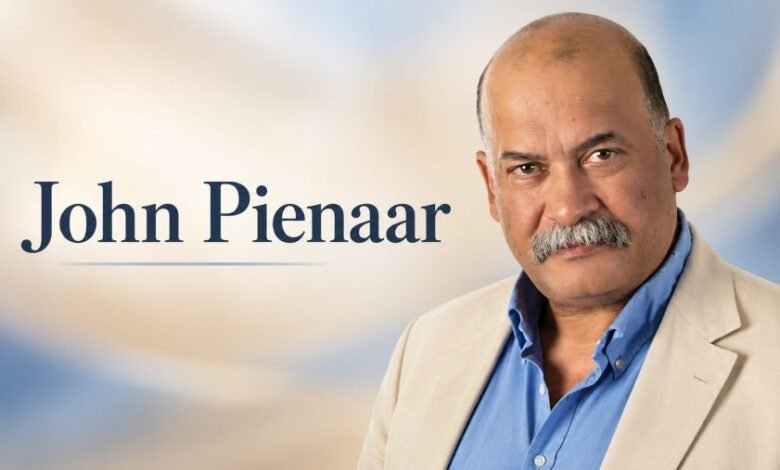
John Pienaar is a British journalist and radio presenter known for his coverage of UK politics. He spent nearly 28 years at the BBC, where he worked as Deputy Political Editor and presented Pienaar’s Politics on BBC Radio 5 Live.
In 2020, he made a big move. He left the BBC to join Times Radio, a newly launched station from News UK.
His career began much earlier. Before national broadcasting, he reported for local newspapers and covered Westminster for the Press Association.
It was a long journey. And one built on reporting.
Quick Facts About John Pienaar
| Detail | Information |
|---|---|
| Full professional name | John Pienaar |
| Profession | Journalist and radio presenter |
| Nationality | British |
| Known for | British political journalism |
| Former employer | BBC |
| Former BBC position | Deputy Political Editor |
| BBC joining year | 1992 |
| Former BBC programme | Pienaar’s Politics |
| Joined Times Radio | 2020 |
| Known Times Radio programme | Times Radio Drive |
| Early newspaper | South London Press |
| Journalism qualification | NCTJ |
| Journalism training | Highbury College |
| Another former employer | The Independent |
Who Is John Pienaar?
John Pienaar has spent decades explaining British politics to the public.
His work has covered Westminster, Parliament, government decisions and major political stories.
He became familiar to BBC audiences through political reporting and radio interviews. Later, he joined Times Radio as one of its leading presenters.
But his background is quite different from someone who started in a national television studio.
He began with local reporting. Then he moved into political journalism.
That early experience helped him build a career covering some of the biggest stories in British public life.
Early Life and Background
Pienaar built his journalism career through practical reporting.
He started as a trainee at the South London Press, where he gained experience covering news stories and working to newspaper deadlines.
Local journalism can be tough. Reporters have to find facts, check details and explain events in clear language.
His early assignments gave him that experience.
He also worked in court reporting, including stories from London’s Old Bailey.
Court journalism requires careful listening. A reporter must distinguish evidence from allegations and explain legal proceedings accurately.
This was part of his professional background before he became known for political coverage.
Education and Journalism Training
Pienaar trained at Highbury College and gained a qualification through the National Council for the Training of Journalists (NCTJ).
The NCTJ provides professional journalism training and qualifications in the UK.
His training supported his move into newspaper reporting.
He learned through actual assignments, too. Reporting from courtrooms and newsrooms gave him experience that would later prove useful at Westminster.
His route into journalism shows how local newspapers have served as a starting point for national reporters.
The Start of His Political Reporting Career
Before joining the BBC, Pienaar spent several years working in newspaper journalism.
Between 1980 and 1986, he covered Westminster for the Press Association.
The role placed him close to Parliament and the daily work of British politics.
He followed parliamentary debates, government decisions and developments affecting political parties.
This was serious reporting work.
Political stories can change quickly. A minister may announce a decision, an MP may challenge it, and journalists must explain what happened without losing important facts.
His experience at the Press Association helped him develop his knowledge of Westminster.
Working at The Independent
In 1986, Pienaar joined The Independent during the newspaper’s launch year.
It was another big career step.
He continued covering political affairs, including parliamentary developments and stories from Westminster.
His work included political commentary and parliamentary sketches.
Writing for a national newspaper required a different approach from agency reporting. He could give readers more background and explain the people involved in political stories.
By the time he joined the BBC, he already had years of experience in British political journalism.
Building a Career at the BBC
Pienaar joined the BBC in 1992.
His job brought him into broadcast journalism, where he reported on British politics for radio and television audiences.
The move gave his work a much wider reach.
Instead of writing only for newspaper readers, he now explained political events through spoken reports and live broadcasts.
Over the following years, he became a familiar figure in BBC political coverage.
He reported on government affairs, parliamentary developments and election-related stories.
His broadcasting career continued across several changes of government.
Becoming Deputy Political Editor
One of his best-known positions was BBC Deputy Political Editor.
The National Council for the Training of Journalists identified him in this role in 2016.
The position involved senior political reporting and analysis.
His work included helping audiences understand the decisions and disagreements taking place at Westminster.
Political reporting needs context. A single statement from a minister may have a longer history behind it.
Pienaar’s years in newspaper and broadcast journalism gave him experience covering such stories.
The Story Behind Pienaar’s Politics
One of his best-known programmes was Pienaar’s Politics on BBC Radio 5 Live.
The programme focused on British political news and discussion.
It brought political stories into a radio format, with interviews and conversation about current events.
Listeners could hear about Westminster developments without needing to read lengthy parliamentary reports.
The programme became closely associated with his broadcasting career.
And the name was memorable.
It connected the journalist directly with the subject he had spent years covering.
For many radio listeners, Pienaar’s Politics became one of the main ways they knew his work.
Why He Left the BBC in 2020
February 2020 brought an important announcement.
John Pienaar was leaving the BBC to join Times Radio, a new national speech radio station.
He had spent nearly 28 years with the BBC.
That made his departure a notable move within British broadcasting.
Times Radio was preparing to launch in June 2020, and Pienaar was among its established recruits.
He joined the station to present its drivetime news programme.
The move marked a new chapter in his career.
He was no longer working for the broadcaster where he had spent much of his professional life.
Instead, he joined a new radio operation as it was getting started.
His Move to Times Radio
Times Radio launched in June 2020 as part of News UK’s broadcasting business.
Pienaar joined the station as a political broadcaster.
His work included presenting the drivetime programme, discussing major news stories and interviewing guests.
The format suited his experience.
He already knew how to explain Westminster politics through live radio.
His earlier work at the BBC had also given him extensive experience speaking with political figures and discussing policy decisions.
At Times Radio, he continued reporting and presenting for a national audience.
What Is He Doing in 2026?
As of October 2026, News UK continues to list John Pienaar among the Times Radio presenters.
His established work at the station includes political interviews and news discussion.
Professional speaker profiles also associate him with Pienaar and Friends.
His public appearances extend beyond radio.
He was listed as an after-dinner speaker at the Pensions UK Investment Conference dinner on 11 March 2026.
These activities reflect his continuing involvement in journalism and public discussion.
Career Achievements and Important Milestones
Pienaar’s career includes several notable professional milestones.
| Year or Period | Career Event |
|---|---|
| Early career | Worked as a trainee at South London Press |
| 1980–1986 | Covered Westminster for the Press Association |
| 1986 | Joined The Independent |
| 1992 | Began working for the BBC |
| 2010s | Became known for Pienaar’s Politics and senior BBC reporting |
| 2016 | Documented as BBC Deputy Political Editor |
| 2020 | Left the BBC and joined Times Radio |
| 2026 | Continued to be listed among Times Radio presenters |
These milestones show a career covering newspaper journalism, political reporting and national radio broadcasting.
There was no single overnight breakthrough.
He developed his career through years of reporting, moving between different parts of the British news industry.
His Reporting Style and Public Recognition
Pienaar is closely associated with political interviews and Westminster reporting.
His broadcasting work often involves explaining political stories, asking questions and discussing the decisions made by public officials.
The subject matter can be complicated.
Government policy, parliamentary rules and party disagreements often need background information before listeners can understand their meaning.
His career has focused on covering these subjects for a general audience.
His public recognition comes mainly from his long BBC career and subsequent work at Times Radio.
Personal Life Away From Broadcasting
Pienaar has a public career built around journalism, rather than personal publicity.
Reliable professional sources provide far more detail about his work than his family life.
For a professional profile, the strongest information concerns his reporting history, broadcasting roles and career decisions.
There is no need to fill those gaps with rumours or claims from celebrity profile websites.
His work remains the main reason people search for his name.
Interesting Facts About His Career
He started in local journalism
His career began at the South London Press, well before he became a national radio presenter.
He covered the courts
Early reporting assignments included London’s Old Bailey, giving him experience with legal news.
He joined a newspaper in its launch year
Pienaar became part of The Independent in 1986, when the publication first appeared.
He spent nearly three decades at the BBC
His BBC career began in 1992 and ended in 2020.
He moved to a newly launched station
Rather than leaving for another established broadcaster, he joined Times Radio during its launch period.
Why His Career Matters in British Journalism
British political journalism has changed considerably since Pienaar began reporting.
Newspapers were central to his early career. Radio and television later brought his work to larger audiences.
Yet the main job stayed familiar.
Find the facts. Ask questions. Explain the story.
His professional history connects several forms of reporting, from local newsrooms and parliamentary coverage to national broadcasting.
For readers interested in British journalism, his career offers a useful example of how reporters can move between newspapers and radio while staying focused on the same subject.
Final Thought
John Pienaar built his career through years of reporting on British politics.
He started in local journalism, covered Westminster for the Press Association, worked at The Independent and spent nearly 28 years at the BBC.
His 2020 move to Times Radio marked another major career change.
The main story is simple. He has spent much of his working life reporting politics and explaining it to the public.
That is why his name remains familiar to British news audiences.
Frequently Asked Questions
1. Who is John Pienaar?
John Pienaar is a British political journalist and radio presenter. He is known for his long career at the BBC and his subsequent work at Times Radio.
2. What is John Pienaar famous for?
He is best known for covering Westminster politics, working as BBC Deputy Political Editor and presenting the BBC Radio 5 Live programme Pienaar’s Politics.
3. Does John Pienaar still work at Times Radio?
As of October 2026, News UK continues to list him among Times Radio’s presenters.
4. Why did John Pienaar leave the BBC?
He left the BBC in 2020 to join the newly launched Times Radio. The move followed nearly 28 years at the BBC.
5. When did John Pienaar join the BBC?
He joined the BBC in 1992 as a political correspondent.
6. Where did John Pienaar study journalism?
He trained at Highbury College and gained an NCTJ journalism qualification.
7. What was Pienaar’s Politics?
Pienaar’s Politics was a BBC Radio 5 Live programme featuring political news, interviews and discussion.
8. Where did John Pienaar work before the BBC?
He worked at the South London Press, the Press Association and The Independent before joining the BBC.