

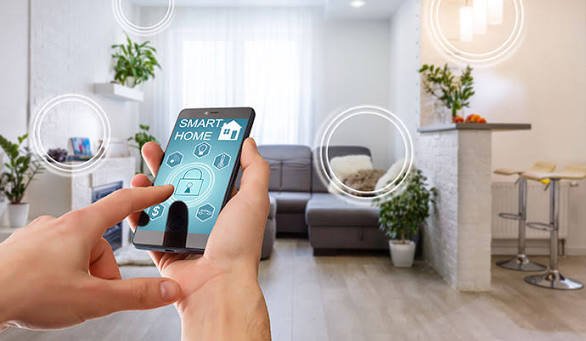
A modern home is no longer just a collection of rooms, appliances, and traditional electrical systems. Technology has become an increasingly important part of how homeowners manage comfort, security, entertainment, and everyday routines. With the right approach, different technologies can work together as one connected environment rather than operating as separate systems.
Integrated home systems bring multiple functions together, allowing homeowners to control and coordinate lighting, security, climate, audio-visual equipment, window coverings, and other technologies. This approach can make a home easier to manage while providing a more comfortable and secure experience for everyone living there.
For homeowners considering this type of technology, working with an experienced provider such as Sound Effects Arizona can help ensure that individual components are planned as part of a complete system rather than installed independently.
What Makes a Home System Integrated?
An integrated home system connects different technologies so they can communicate and respond to centralised controls. Depending on the property, this may include smart lighting, security cameras, access control, thermostats, motorised shades, home entertainment, distributed audio, and networking equipment.
Instead of requiring a separate remote or application for every device, homeowners can manage multiple functions through a unified interface. This could be a wall-mounted control panel, smartphone, tablet, remote, or another compatible control method.
The real value comes from how these systems interact. For example, a homeowner could create a setting for leaving the house that turns off selected lights, adjusts the temperature, closes blinds, and activates security features at the same time.
This reduces repetitive tasks and makes technology more useful in everyday life.
Improving Home Security
Security is one of the strongest reasons homeowners consider integrated technology. A connected security system can bring together cameras, smart locks, motion sensors, door and window sensors, video doorbells, and alarms.
When these components are integrated, homeowners can gain a more complete view of what is happening around the property. Notifications can alert residents to activity, while cameras can provide visual information when needed.
Smart lighting can also support a home’s security strategy. Exterior lights can be scheduled or triggered under certain conditions, while selected interior lights can be programmed to create the appearance of activity when residents are away.
Remote access can add another layer of convenience. Depending on the equipment and system configuration, homeowners may be able to check security cameras, control access, or manage selected functions while away from the property.
However, effective security depends on thoughtful planning. Cameras and sensors need to be positioned according to the home’s layout, and the system should be simple enough for residents to operate confidently.
Creating Greater Everyday Comfort
Comfort extends beyond temperature. Lighting, music, entertainment, shading, and climate control can all influence how a home feels throughout the day.
An integrated system allows these features to be coordinated around different activities. A morning setting could gradually increase lighting and adjust the temperature, while an evening setting could lower lighting levels, close blinds, and prepare the entertainment system for relaxation.
Climate control can also become more convenient. Homeowners can establish schedules that match their routines rather than leaving heating or cooling systems operating unnecessarily throughout the day.
Smart sensors may provide additional control by detecting occupancy or environmental conditions. This can help systems respond to how the home is actually being used.
The result is a living environment that requires less manual adjustment while giving homeowners greater control over their preferred conditions.
Enhancing Home Entertainment
Audio-visual technology is another important part of integrated home systems. Modern homeowners may want music, television, movies, gaming, and other forms of entertainment to be easily accessible without allowing equipment to dominate the interior.
Sound Effects Arizona can help homeowners explore audio-visual solutions that are designed around the property and the way each space is used.
For example, distributed audio can allow homeowners to listen to music in multiple rooms, while a dedicated home theatre can provide a more immersive environment for movies and sports.
Professional planning also considers factors such as speaker positioning, room acoustics, equipment placement, connectivity, and ease of operation. This helps ensure that the system delivers a good experience without creating unnecessary visual clutter.
Discreet Technology and Interior Design
Many homeowners want the benefits of smart technology without making their homes look overly technical. Integrated systems can be designed to blend with the surrounding interior.
Speakers can be installed into ceilings or walls, screens can be incorporated into existing spaces, and control panels can be positioned where they are convenient without becoming a visual distraction.
This is particularly valuable during new construction or major renovations. Planning technology before the walls, ceilings, cabinetry, and finishes are completed can provide more opportunities for discreet installation.
A professional approach can also help ensure that equipment is accessible for maintenance while remaining appropriately concealed.
Reducing Complexity
One of the biggest benefits of integration is simplicity. Without an integrated system, a homeowner may need separate controls for lighting, blinds, climate control, television, speakers, security, and other devices.
Managing several applications or remotes can quickly become frustrating, especially when different family members use the technology.
An integrated interface can bring these functions together. A homeowner may be able to control several aspects of a room or property from a single location.
The objective is not to make the technology more complicated. It is to make the home easier to operate.
Planning for Future Technology
Technology continues to change, so homeowners should consider future requirements when planning an integrated system. A system that works well today should ideally have enough flexibility to accommodate new devices and upgrades later.
Networking infrastructure is particularly important because many smart home technologies depend on reliable connectivity. Proper planning can help prevent limitations as the number of connected devices increases.
Homeowners should also focus on the features they genuinely need rather than installing technology simply because it is available. A well-designed system should solve practical problems and support the household’s lifestyle.
The Importance of Professional Integration
Purchasing individual smart devices is relatively easy, but making those devices work together effectively can be more challenging. Compatibility, programming, networking, installation, and user experience all need to be considered.
An experienced provider such as Sound Effects Arizona can help homeowners approach the project as a complete solution. This can make it easier to select appropriate equipment and coordinate different technologies within the property.
Professional planning is particularly valuable for larger homes or projects involving multiple systems. It can help prevent disconnected technologies, difficult controls, and unnecessary equipment.
Creating a Better Connected Home
Integrated home systems can provide a practical combination of comfort, security, convenience, and entertainment. When lighting, climate control, security, audio-visual equipment, and other technologies are designed to work together, homeowners can spend less time managing individual devices and more time enjoying their homes.
The future of residential technology is not necessarily about having more gadgets. It is about creating systems that respond intelligently to everyday needs.
With thoughtful planning and professional implementation, Sound Effects Arizona can be part of a technology strategy that helps homeowners create a connected living environment where security and comfort work together naturally. The result is a home that feels more responsive, easier to manage, and better prepared for the way people live today.