

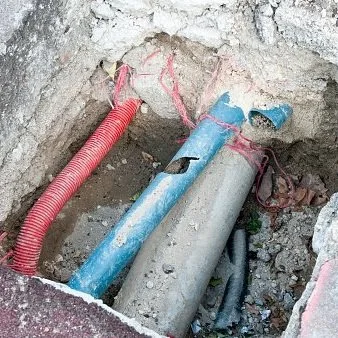
Sewer lines play an essential role in keeping a home clean, comfortable, and functional. Although these underground pipes are usually out of sight, problems can develop over time because of aging materials, tree roots, shifting soil, or blockages. Recognizing the early warning signs of sewer line damage can help homeowners address issues before they become expensive repairs.
1. Slow Drains Throughout the House
One slow drain does not necessarily indicate a sewer line problem. Hair, soap residue, grease, and food particles can accumulate inside individual pipes and restrict water flow. However, when several drains begin emptying slowly at the same time, the issue may involve the main sewer line.
Pay attention if your kitchen sink, bathroom basin, shower, and bathtub all drain more slowly than usual. These symptoms may suggest a blockage deeper within the plumbing system.
Avoid repeatedly using chemical drain cleaners, as certain products can damage pipes or create additional hazards. If multiple drains remain slow despite basic maintenance, contact a qualified plumber to investigate the underlying cause.
2. Unpleasant Sewer Odors
Persistent sewage smells inside or outside your property should never be ignored. A properly functioning sewer system is designed to carry wastewater away without allowing unpleasant gases to enter living spaces.
If you notice a rotten-egg-like smell near drains, in the basement, or around your yard, possible causes include damaged pipes, blocked drainage, dry plumbing traps, or faulty connections.
Start by checking whether the smell comes from a particular drain. However, if the odor continues, becomes stronger, or appears in several areas, professional assessment may be necessary. Strong sewer-gas odors should be taken seriously, and you should leave the affected area if you feel unwell and seek appropriate assistance.
3. Frequent Drain Backups and Gurgling Sounds
Recurring backups are another important warning sign. If wastewater rises into a bathtub, toilet, or floor drain when you use another plumbing fixture, the main sewer line may be obstructed or damaged.
Gurgling sounds can also indicate that air is trapped in the drainage system or that wastewater is struggling to move through the pipes. While occasional noises may have simple explanations, repeated gurgling combined with slow drainage deserves attention.
A professional sewer inspection can help identify whether the problem comes from accumulated debris, intrusive tree roots, pipe deterioration, or a structural defect. Finding the cause is essential because repeatedly clearing a blockage may provide only temporary relief when the underlying pipe is damaged.
4. Unusually Green or Soggy Patches in the Yard
Your garden can provide clues about the condition of underground sewer pipes. If one section of your lawn remains unusually wet or develops greener, faster-growing grass than surrounding areas, leaking wastewater may be contributing to the difference.
Other signs include:
- Persistent muddy patches during dry weather.
- Small depressions or sinking areas in the soil.
- Unpleasant smells around particular sections of the yard.
- Standing water without an obvious source.
These symptoms do not automatically confirm sewer damage. Irrigation leaks, poor drainage, and other plumbing problems can produce similar conditions. Nevertheless, unexplained changes above the route of a sewer line should be investigated before the affected area deteriorates further.
5. Unexpected Changes in Toilet Performance
Toilets can reveal problems that are not immediately visible elsewhere in the house. Repeated clogging, unusual bubbling, weak flushing, or water levels that fluctuate without explanation may indicate restricted drainage.
If only one toilet is affected, the issue might be limited to that fixture. However, if several toilets behave unusually and other drains are also experiencing problems, the main sewer line could be involved.
Keep track of when the symptoms occur. For example, problems that appear whenever a washing machine empties or several household members use water may help a plumber understand the pattern. Avoid flushing excessive paper or non-flushable products, and do not continue using fixtures that cause wastewater to back up.
6. Foundation Problems and Ground Movement
A damaged sewer pipe can sometimes release water into the surrounding soil. Depending on the location and severity of the leak, prolonged moisture may contribute to soil movement or affect nearby structures.
Possible warning signs include new cracks, uneven ground, or unexplained dampness near the foundation. These conditions can also result from normal settlement, plumbing supply leaks, weather changes, or other structural concerns.
Do not assume that every crack indicates a sewer problem. Instead, document changes, monitor whether they worsen, and arrange an appropriate professional assessment. Addressing a suspected underground leak promptly may help limit further property damage.
7. How to Confirm a Suspected Sewer Problem
When warning signs persist, a professional assessment can help determine what is happening inside the drainage system. Depending on the symptoms, a plumber may recommend a camera examination, drainage testing, or another suitable diagnostic method.
During a camera examination, a specialist guides a small camera through accessible sections of the pipe to look for blockages, cracks, root intrusion, corrosion, or separated joints. This approach can provide useful information without requiring extensive digging at the outset.
Homeowners arranging broader property evaluations may also explore services such as Home Inspections Los Angeles County when assessing a property in that area. Be sure to confirm whether sewer-line evaluation is included, because a standard home inspection may not cover every underground component.
8. Steps to Reduce the Risk of Future Damage
Although not every sewer problem can be prevented, sensible maintenance can reduce avoidable issues.
Consider these practical habits:
- Never pour cooking grease, oil, or fats down the drain.
- Keep wipes, sanitary products, and other unsuitable items out of toilets.
- Arrange professional help for recurring blockages rather than repeatedly treating symptoms.
- Ask about tree-root risks if large trees grow near underground pipes.
- Investigate persistent odors, damp patches, and unusual drainage sounds.
- Follow the maintenance recommendations provided by a qualified plumbing professional.
If damage is confirmed, ask for a clear explanation of the problem, available repair options, expected costs, and any necessary follow-up testing. The appropriate solution will depend on the pipe’s material, location, condition, and severity of the damage.
Conclusion
Sewer line problems often reveal themselves through slow drains, unpleasant odors, recurring backups, or unusual yard conditions. Recognizing these warning signs early can help homeowners avoid greater disruption and repair expenses. When symptoms persist, seek professional advice, confirm the underlying cause, and address necessary repairs promptly to protect your property.