
Pests can quickly become a frustrating problem for homeowners and property managers. From ants in the kitchen to termites affecting wooden structures, unwanted insects can create inconvenience and, in some cases, damage property. Hiring a pest control professional can help you address the problem effectively, but choosing the right service requires careful consideration. Understanding a company’s experience, treatment methods, and pricing can help you make a confident decision.
1. Identify the Pest Problem First
Before contacting a pest control company, try to understand what you have noticed. Different pests require different treatment approaches, so identifying the likely source of the problem can help a professional recommend an appropriate solution.
Look for signs such as droppings, damaged food packaging, insect activity, unusual odors, or small holes in wooden surfaces. However, avoid assuming that every mark or insect confirms an infestation. If you are unsure, describe what you have observed and let a qualified professional investigate.
You should also note where and when the problem appears. For example, ants may be concentrated near a food source, while other pests may be more noticeable around damp areas. Sharing these details can help the technician prepare for an initial assessment.
2. Check the Company’s Qualifications and Experience
Not all pest control services offer the same level of expertise. Before hiring a provider, check whether the company holds the licenses or certifications required in your area. Requirements differ by location and by the type of treatment being offered.
Ask how long the company has handled the particular pest affecting your property. Experience with general household insects does not necessarily mean a provider specializes in termites, rodents, or other pests that may require different methods.
You can also look for customer reviews, professional references, and clear contact information. While reviews can help you understand other customers’ experiences, consider the overall pattern rather than relying on a single positive or negative comment.
3. Request an Inspection Before Treatment
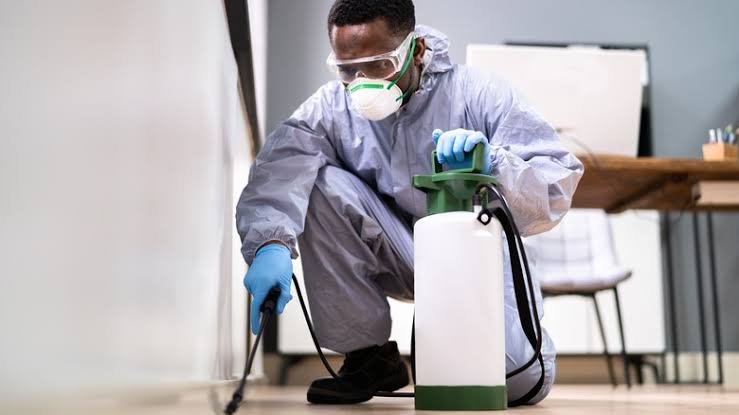
A reliable pest control professional should take time to understand the problem before recommending a treatment plan. Depending on the situation, this may involve examining affected rooms, checking entry points, identifying moisture sources, or looking for evidence of pest activity.
For example, a Condo inspection may help identify visible conditions within a unit that could contribute to pest problems, such as moisture around plumbing fixtures or gaps near windows. However, a general property inspection may not include a specialized pest assessment, so confirm the scope of any service before booking.
Ask the provider to explain what they found, where the activity appears to be concentrated, and whether additional testing is necessary. A clear explanation helps you understand why a particular treatment is being recommended and whether the proposed work addresses the source of the problem.
4. Understand the Available Treatment Methods
Pest control can involve several approaches, including targeted treatments, traps, exclusion methods, sanitation improvements, and measures to reduce moisture or remove food sources. The appropriate option depends on the pest, the extent of the problem, and the property’s circumstances.
Ask the professional to explain the proposed method in straightforward language. Find out which areas will be treated, whether occupants need to leave temporarily, and what precautions are necessary for children, pets, or people with particular sensitivities.
You should also ask how long the treatment is expected to take and whether follow-up visits are recommended. No treatment can guarantee that pests will never return, particularly if the conditions attracting them remain unchanged. A responsible provider should explain both the benefits and limitations of the proposed approach.
5. Compare Quotes and Understand the Full Price
Pest control prices can vary depending on the type of pest, property size, infestation severity, treatment method, and number of visits required. A low initial quote may not include follow-up treatments or additional work, so comparing the total service rather than the headline price is important.
If you suspect termites, you might ask how much should a termite inspection cost when comparing providers. The price will depend on your location, property characteristics, accessibility, and the scope of the assessment. Request written estimates that clearly distinguish inspection fees from treatment or repair costs.
Before agreeing to the service, confirm:
- What the quoted price includes.
- Whether follow-up visits cost extra.
- If there are additional charges for difficult-to-access areas.
- What happens if pest activity continues.
- Whether any warranty or service guarantee has conditions.
A detailed quote helps you plan your budget and reduces the likelihood of unexpected charges.
6. Ask About Safety and Preparation
Before treatment begins, ask what preparation is required. You may need to store food securely, clear access to particular areas, or follow specific instructions for cleaning and ventilation.
The technician should explain any necessary precautions and provide instructions for returning to treated areas. Follow the product label and the professional’s safety guidance, and never assume that a treatment is harmless simply because it is commonly used in homes.
If you have questions about a product, ask for its name and relevant safety information. A professional should be willing to discuss the treatment responsibly and explain how exposure risks are managed.
7. Find Out Whether Prevention Is Included
Treating existing pests is only part of the solution. Long-term prevention often requires changes to the conditions that allow pests to enter, feed, or reproduce.
Depending on the situation, useful preventive steps may include:
- Sealing suitable gaps around doors and windows.
- Repairing leaking pipes and reducing excess moisture.
- Storing food in secure containers.
- Keeping waste areas clean and covered.
- Removing clutter where pests may hide.
- Maintaining outdoor areas and addressing potential entry points.
Ask the provider which preventive measures are most relevant to your property. Some companies include recommendations in their service, while others may offer separate maintenance plans.
8. Review the Service Agreement Before Signing
Before approving treatment, read the agreement carefully. It should explain the work to be completed, expected costs, treatment schedule, and any conditions attached to follow-up services or guarantees.
Ask questions if the document contains unclear language or promises results that seem unrealistic. Be cautious of providers who pressure you to sign immediately or recommend expensive treatments without explaining the evidence behind them.
Keep a copy of the agreement, payment records, and any treatment instructions. These documents can be useful if you need to arrange further service or discuss an issue with the company later.
Conclusion
Hiring a pest control professional requires more than comparing prices. Check qualifications, request a proper assessment, understand treatment methods, and review safety instructions and service terms. By asking clear questions and addressing conditions that attract pests, you can make informed choices and manage pest concerns more effectively over time.