

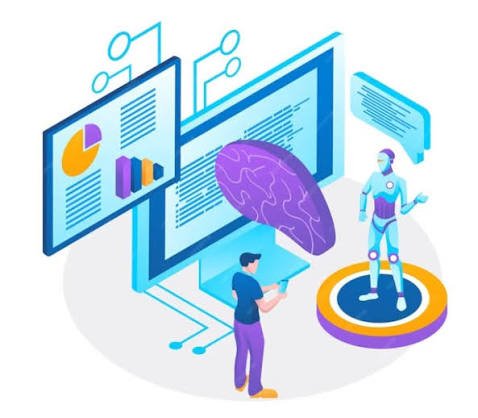
Data has become one of the most valuable resources in the modern world. Businesses, healthcare providers, educational institutions, and technology companies generate enormous amounts of information every day. Making sense of this information can help organizations recognize patterns, solve problems, and make better decisions. Machine learning is becoming an important part of this process.
As artificial intelligence continues to develop, machine learning is expected to influence how people work, communicate, learn, and interact with technology. From personalized recommendations to predictive maintenance, its applications are expanding across industries. Understanding these developments can help businesses and individuals prepare for a future where data plays an even greater role.
Understanding Machine Learning
Machine learning is a branch of artificial intelligence that enables computer systems to identify patterns in data and use them to make predictions or generate outputs. Instead of relying entirely on manually written rules, these systems learn from examples and improve when suitable training methods and data are available.
For example, an online store may use machine learning to recommend products based on previous customer interactions. A manufacturer might use it to identify equipment performance patterns, while a healthcare research team could analyze data to support scientific investigations.
The Growing Importance of Quality Data
Machine learning models depend heavily on the information used to train and evaluate them. If the data is inaccurate, incomplete, or poorly organized, the resulting system may produce unreliable outcomes.
Preparing useful training data can involve collecting examples, correcting errors, adding meaningful labels, and checking whether the information represents the problem being studied. Organizations working with large datasets may explore solutions such as labelbox to support data labeling and management workflows, depending on their specific requirements.
Quality data is not simply about having a large quantity of information. It is about ensuring that the data is relevant, consistent, representative, and suitable for the intended task.
Automation Across Different Industries
One of the most significant developments in machine learning is its ability to support automation. Many organizations handle repetitive tasks that require reviewing large amounts of information or recognizing familiar patterns.
Machine learning can help automate certain activities, such as sorting documents, detecting unusual transactions, forecasting demand, and identifying defects in manufactured products.
Automation can save time and improve consistency, allowing employees to focus on responsibilities that require creativity, judgment, and human interaction. However, automated systems still need appropriate supervision, especially when errors could have serious consequences.
More Personalized Digital Experiences
People increasingly expect digital services to understand their preferences and provide relevant information. Machine learning helps companies analyze interactions and identify patterns that can support personalization.
Streaming services may recommend films based on viewing habits, while online retailers can suggest products related to previous purchases. Educational applications may also adapt learning materials according to a student’s progress.
Personalization can improve convenience, but organizations should use personal information responsibly. Clear privacy practices, appropriate consent, and careful data handling are essential for maintaining user trust.
The Role of Predictive Analytics
Predictive analytics uses historical and current information to estimate what may happen in the future. Machine learning can help identify patterns that are difficult to detect through manual analysis alone.
Businesses can use predictive models to estimate product demand, anticipate maintenance requirements, identify potential supply chain delays, and improve resource planning.
These predictions are not guarantees. Their accuracy depends on data quality, model design, and whether future conditions remain reasonably similar to the patterns observed previously. Organizations should therefore combine predictions with professional judgment and regular evaluation.
Supporting Better Business Decisions
Machine learning can help decision-makers examine complex information more efficiently. Instead of relying exclusively on intuition, managers can use model-generated insights alongside their experience and knowledge of the business.
For example, a company might analyze customer feedback to identify common concerns or examine operational data to discover where delays frequently occur.
The most useful systems do not simply produce predictions. They provide information that people can interpret and apply to real business challenges. Clear reporting and understandable results help teams decide when to trust a model and when further investigation is needed.
Choosing the Right Technology
As machine learning becomes more common, organizations have an increasing number of tools and platforms to consider. Selecting the right solution requires understanding the problem before comparing available products.
Businesses should evaluate several factors:
- Compatibility with existing systems
- Data security and privacy controls
- Ease of use and employee training
- Scalability as requirements grow
- Integration with current workflows
- Pricing and ongoing maintenance
- Quality of technical support
Careful evaluation can prevent unnecessary spending and help organizations choose tools that support their long-term goals.
Ethical Challenges and Responsible Development
The future of machine learning depends not only on technical progress but also on responsible use. Models can reproduce biases present in their training data, produce inaccurate outputs, or create privacy concerns when information is collected without appropriate safeguards.
Organizations should regularly test systems for reliability, document known limitations, and establish clear accountability for decisions influenced by automated predictions.
Human oversight remains important in high-impact situations. Machine learning should support informed decision-making rather than remove responsibility from the people and organizations using it.
The Importance of Skilled Professionals
As machine learning adoption grows, demand for people who understand data, software development, statistics, and model evaluation may continue to expand.
Professionals do not necessarily need to become machine learning engineers to benefit from these developments. Business analysts, project managers, marketers, and operations teams can also gain value from understanding how data-driven systems work and where their limitations lie.
Continuous learning will help employees adapt as tools and workflows evolve.
Finding Useful Tools and Resources
Keeping up with new technology can be challenging, particularly for smaller organizations that have limited time for research. Comparing available applications, reading documentation, and reviewing independent evaluations can make technology decisions more manageable.
A software directory can help users explore different applications and identify potential solutions for particular business or technical needs. Before adopting a product, organizations should verify its features, security practices, compatibility, and suitability for their specific machine learning projects.
What the Future May Bring
Machine learning is likely to become more integrated into everyday software, business operations, scientific research, and public services. Improvements in computing, data management, and model development may make advanced capabilities available to more organizations.
At the same time, successful adoption will require investment in reliable data, employee education, responsible governance, and ongoing evaluation. The organizations that approach machine learning thoughtfully will be better prepared to benefit from its possibilities while managing its limitations.
Conclusion
Machine learning will continue to shape how organizations interpret information and solve problems. Its future depends on reliable data, responsible development, skilled professionals, and carefully selected technology. By combining automated insights with human judgment, businesses can improve efficiency, encourage innovation, and make more informed decisions in an increasingly data-driven world.