

Wollmatten: Meaning, Types, Benefits and Everyday Uses
Discover how natural wool mats provide comfort, warmth and practical solutions for homes, gardens and everyday living.

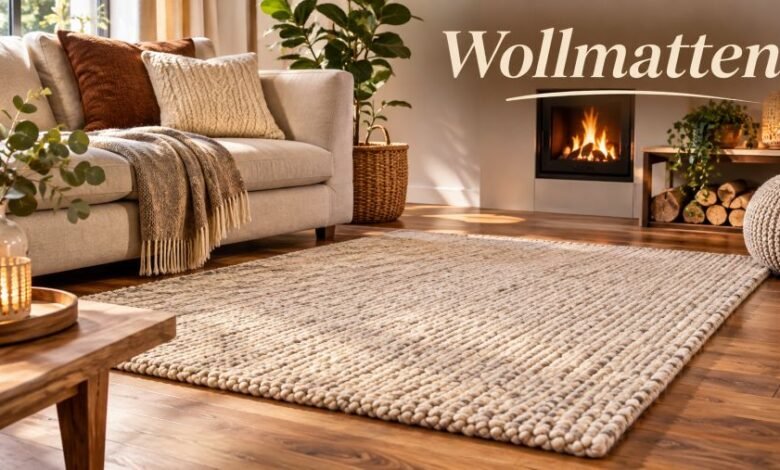
Introduction
Wollmatten are wool-based mats used for various household, gardening and insulation purposes. Their natural texture, softness and practical properties make them an interesting alternative to synthetic materials.
The term comes from the German language. While some people use these mats to keep their homes comfortable, others use them to protect garden plants or improve building insulation.
However, not all wool mats are made in the same way. Understanding their different types, benefits and limitations can help you make a better choice.
Quick Facts About Wollmatten
| Feature | Details |
|---|---|
| Name | Wollmatten |
| Language | German |
| English Meaning | Wool mats |
| Singular Form | Wollmatte |
| Primary Material | Sheep’s wool |
| Common Uses | Flooring, gardening and insulation |
| Key Benefits | Warmth and comfort |
| Reusable | Generally yes |
| Waterproof | Generally no |
| Biodegradable | Depends on material composition |
| Maintenance | Gentle cleaning |
What Is Wollmatten?
Wollmatten is a German term that translates to wool mats in English. The word combines Wolle, meaning wool, and Matten, meaning mats.
These products are available in different shapes, sizes and thicknesses. Some feature soft, woven fibres, while others contain compressed wool felt.
Their purpose depends on their construction. A decorative floor mat, for example, is quite different from a wool mat manufactured for building insulation.
How Are Wollmatten Made?
The manufacturing process generally begins with collecting and processing sheep’s wool.
For many products, the wool is cleaned to remove dirt and unwanted particles. Manufacturers then arrange, weave or compress the fibres according to the intended use.
Some mats contain pure wool, while others include additional fibres or backing materials to improve durability.
The finished products can vary in colour, density, weight and texture.
Different Types of Wollmatten
1. Wool Floor Mats
Wool floor mats are suitable for bedrooms, living rooms and other indoor spaces. They provide a comfortable surface and help reduce the cold feeling of hard flooring.
Their natural appearance also works well with traditional and modern home interiors.
2. Wool Felt Mats
Wool felt mats contain tightly connected fibres. Their firm structure makes them useful for furniture protection, handicrafts and decorative projects.
They come in different thicknesses depending on their intended purpose.
3. Garden Wool Mats
Gardeners use specially designed wool mats to cover soil and protect plants.
These mats can help reduce moisture loss, suppress unwanted weeds and protect plant roots during colder weather.
Untreated biodegradable wool mulch can also release nutrients into the soil as it breaks down.
4. Wool Insulation Mats
Sheep’s wool is used in certain building insulation products. Its fibre structure helps trap air and reduce heat transfer.
These mats may be installed in suitable walls, roofs and floor constructions. However, they must meet relevant building and safety requirements.
5. Yoga and Meditation Mats
Some wool-based mats are designed for meditation, relaxation and gentle exercises.
Their soft texture provides comfort, particularly when sitting or resting on hard floors. Grip and stability depend on the individual product.
Main Benefits of Wollmatten
Natural Warmth
One of the main advantages of wool is its ability to trap air between its fibres.
This property makes wool mats useful during colder months, particularly in rooms with wooden or tiled flooring.
Comfortable Surface
Wool offers a naturally soft texture. A well-made wool mat can make everyday spaces feel more comfortable without requiring complicated installation.
Moisture Management
Wool fibres can absorb and release moisture from their surroundings.
However, moisture absorption should not be confused with waterproofing. Most wool mats are unsuitable for prolonged exposure to standing water.
Sound Absorption
Specially manufactured wool felt and insulation mats can help reduce sound reflection or improve acoustic comfort.
Their effectiveness depends on thickness, density and installation.
Renewable Material
Wool is a renewable natural fibre because sheep continue growing new fleece throughout their lives.
Pure wool can also biodegrade under suitable conditions, although additional materials may affect the finished product.
Versatile Applications
From protecting furniture to covering garden soil, wool mats serve several practical purposes.
Their different designs allow consumers to choose products suitable for particular environments.
Wollmatten vs Synthetic Mats
Both wool and synthetic mats have advantages. The right choice depends on your requirements, budget and intended use.
| Feature | Wool Mats | Synthetic Mats |
|---|---|---|
| Material | Natural wool or blends | Manufactured fibres |
| Warmth | Generally good | Varies |
| Comfort | Naturally soft | Product dependent |
| Moisture Absorption | Generally good | Usually lower |
| Cleaning | Requires gentle care | Often easier |
| Water Resistance | Generally limited | Product dependent |
| Cost | Often higher | Often more affordable |
| Biodegradability | Possible with pure wool | Generally limited |
Wool mats are a good option for people who prefer natural materials and indoor comfort.
Synthetic alternatives may be more practical in areas frequently exposed to water or heavy dirt.
How Wollmatten Are Used in Gardens
Wool mats have become a practical option for gardeners interested in natural mulching materials.
When placed around plants, suitable wool mats can cover exposed soil and reduce moisture evaporation. They may also limit the sunlight reaching unwanted weeds.
Garden wool mats can be used around:
- Vegetable plants
- Fruit trees
- Flower beds
- Garden shrubs
- Potted plants
- Young trees
As untreated wool gradually decomposes, it may release nutrients into the soil.
Always choose wool products specifically intended for gardening rather than using chemically treated household mats.
Are Wollmatten Environmentally Friendly?
Wool offers several environmental advantages because it comes from a renewable natural resource.
However, the environmental impact of a wool mat depends on more than its primary material.
Manufacturing methods, animal welfare, transportation, chemical treatments and synthetic backing can all influence its environmental footprint.
People interested in responsible purchasing should check the material composition and available certifications.
A mat made entirely from untreated wool may have different environmental characteristics from a product containing plastic or chemical additives.
How to Choose the Right Wollmatten
Buying a wool mat becomes easier when you understand what to look for.
Check the Material
Read the product description to find out how much natural wool it contains. Some products may include synthetic fibres or additional backing.
Choose the Right Size
Measure the area where you intend to place the mat. An incorrectly sized product may be inconvenient or unsuitable.
Consider the Thickness
Thicker mats may provide additional cushioning, while thinner options can be better for furniture protection and crafts.
Check Slip Resistance
If you intend to use a wool mat on smooth flooring, check whether it has suitable slip-resistant backing.
Review Cleaning Instructions
Different wool mats require different cleaning methods. Always check the manufacturer’s recommendations before purchasing.
Consider Your Budget
Compare the material quality, construction and intended use instead of choosing a product based only on its price.
How to Clean and Maintain Wollmatten
Proper maintenance can help wool mats remain attractive and functional.
Regular cleaning removes loose dirt and reduces the accumulation of dust. For suitable floor mats, gentle vacuuming is usually a practical option.
If a spill occurs, blot the affected area with a clean cloth rather than rubbing it aggressively.
Follow these simple maintenance tips:
- Avoid harsh chemical detergents.
- Keep the mat away from excessive moisture.
- Avoid unnecessary exposure to high temperatures.
- Use wool-friendly cleaning products when appropriate.
- Allow damp mats to dry properly.
- Follow the manufacturer’s washing instructions.
- Store unused mats in a clean, dry place.
Machine washing should only be considered when the product label specifically permits it.
Disadvantages of Wollmatten
Although wool mats offer several benefits, they also have limitations.
Natural wool products can be more expensive than synthetic alternatives. Incorrect washing may cause shrinkage or damage the fibre structure.
Untreated wool can also be vulnerable to clothes moths.
Other potential disadvantages include limited water resistance, specific cleaning requirements and variations in product quality.
Understanding these limitations can help buyers avoid unnecessary expenses.
Where Can Wollmatten Be Used?
Wool mats are available for several everyday applications, including:
- Bedrooms and living rooms
- Home offices
- Meditation spaces
- Craft workshops
- Furniture protection
- Garden beds
- Building insulation
- Decorative interior spaces
Each application requires a suitable product. A decorative wool mat should not automatically be considered appropriate for gardening or construction.
Are Wollmatten Worth Buying?
Wool mats can be worth purchasing for people who value comfort, natural materials and practical household products.
They are particularly attractive for indoor spaces where warmth and texture matter.
However, synthetic mats may be a better choice for wet environments or households that require frequent machine washing.
The best decision depends on your individual requirements and the quality of the product.
Final Thought
Wollmatten offer a practical combination of natural warmth, comfort and versatility. Their applications extend from household decoration to gardening and building insulation.
While wool mats require careful maintenance, their natural properties make them an appealing choice for many consumers.
Before purchasing, check the material composition, thickness, cleaning requirements and intended use. Choosing the right wool mat can help you get better value from your purchase.
Frequently Asked Questions
What does Wollmatten mean?
Wollmatten is a German word that means wool mats in English.
What are Wollmatten made of?
They are generally manufactured from sheep’s wool, although some products contain additional natural or synthetic fibres.
Are Wollmatten waterproof?
No. Most natural wool mats can absorb moisture but are not completely waterproof.
Can Wollmatten be washed?
Some wool mats are washable. Always follow the cleaning instructions provided by the manufacturer.
Are Wollmatten suitable for gardens?
Yes. Specially designed garden wool mats can help retain soil moisture, suppress weeds and protect plants.
Are Wollmatten environmentally friendly?
Pure wool is renewable and biodegradable under suitable conditions. However, the environmental impact depends on the complete product composition.
How long do Wollmatten last?
Their lifespan depends on material quality, frequency of use, maintenance and environmental conditions.
Can Wollmatten provide insulation?
Yes. Specially manufactured sheep’s wool mats can provide thermal and acoustic insulation in suitable building applications.