

Blazertje: What Does It Mean and How Can You Style It?
From its Dutch meaning to everyday outfit ideas, discover why this familiar jacket works with so many different looks.

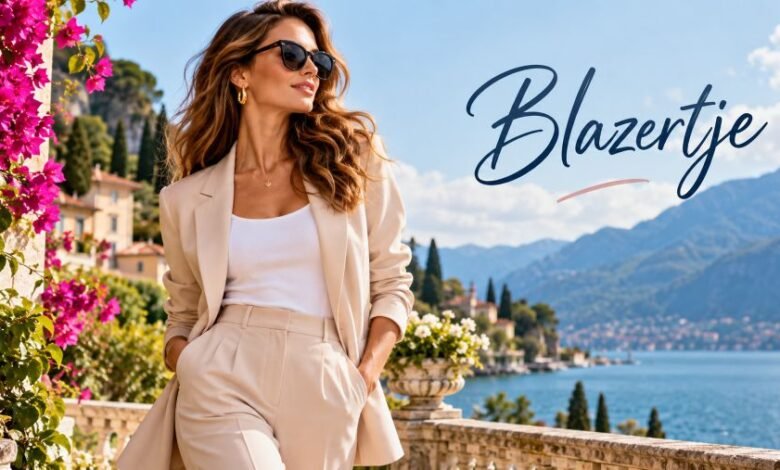
Introduction
A good blazer can change an outfit in seconds. Put one over a simple T-shirt, add jeans and trainers, and suddenly the whole look feels more put together.
That is why the word Blazertje has caught the attention of people browsing fashion websites and clothing collections. It sounds like the name of a special jacket, but its actual meaning is much simpler.
Blazertje is a Dutch word that translates roughly to “little blazer.” It is the diminutive form of blazer, although the jacket does not necessarily have to be small, short or lightweight.
So, what does the term really mean? And how can you wear this style without making an outfit feel too formal?
Here is everything worth knowing.
Quick Facts
| Detail | Information |
|---|---|
| Word | Blazertje |
| Language | Dutch |
| English meaning | Little blazer or small blazer |
| Original word | Blazer |
| Grammatical form | Diminutive noun |
| Clothing category | Blazer or tailored jacket |
| Typical styling | Casual, smart casual and formal |
| Common variations | Cropped, fitted, oversized and relaxed |
| Popular fabrics | Cotton, linen blends, wool blends and polyester |
| Suitable seasons | Spring, summer, autumn and winter, depending on fabric |
| Best paired with | Jeans, trousers, dresses and skirts |
What Does Blazertje Mean?
Blazertje comes from the Dutch language.
The word is formed by adding the diminutive ending -tje to blazer. In English, the closest literal translation is “little blazer.”
Dutch speakers commonly use diminutives to refer to smaller objects or make expressions sound more familiar and informal.
However, there is an important distinction.
A Blazertje is not automatically a cropped or lightweight jacket. It can describe different blazer designs depending on the conversation or clothing description.
A person might use the word for a short, fitted jacket. Another might use it for an ordinary blazer they particularly like.
The Dutch language authority Taalunie explains the spelling and formation of diminutives in its official language guidance.
In other words, the word has a genuine linguistic background rather than being the formal name of a newly invented garment.
Where Did the Word Come From?
The story begins with the familiar blazer.
Blazers have a long history in clothing, particularly in uniforms, sports clubs and smart dressing. Over time, they became part of everyday wardrobes.
The English word blazer was also adopted into Dutch.
Dutch grammar then makes it possible to form blazertje by adding the diminutive suffix.
That is the main origin of the expression.
It is sometimes presented online as a new European fashion movement, but there is no need to treat it as a completely separate invention.
The clothing itself is familiar. What makes the word interesting is how Dutch speakers describe it.
Different Styles You Can Wear
Although the term does not specify one particular design, several blazer styles fit naturally into the kind of outfits people associate with it.
1. Cropped Jackets
A cropped blazer ends higher on the body than a conventional jacket, often around the waist.
It can work particularly well with high-waisted trousers, jeans and skirts.
The shorter length changes the proportions of an outfit, allowing the waistband and lower half to remain visible.
For a neat daytime look, try a cropped black blazer with straight-leg jeans and a plain white top.
2. Relaxed and Oversized Fits
Not everyone enjoys sharply fitted tailoring.
An oversized blazer provides more room through the shoulders and body. It can create a relaxed appearance while still giving an outfit some structure.
Pair it with fitted trousers, leggings or straight jeans if you want a contrast between the loose jacket and the rest of the clothing.
The important part is balance.
A jacket that looks intentionally loose can work beautifully. One that simply fits badly is a different matter.
3. Classic Tailored Designs
Some people prefer a cleaner silhouette.
A tailored blazer generally has a more defined shoulder, lapels and a shape that follows the body.
This version is useful for office clothing, interviews and occasions when a sweatshirt or cardigan might feel too casual.
Neutral colours such as navy, charcoal, black and beige are especially easy to combine with other wardrobe pieces.
4. Double-Breasted Jackets
A double-breasted blazer has overlapping front panels and two columns of buttons.
Its appearance is often more structured than a simple single-button jacket.
You can wear one with tailored trousers for a polished outfit or combine it with denim for something less traditional.
Choose the button placement carefully. It can affect where the jacket draws attention and how comfortably it closes.
5. Lightweight Summer Blazers
Warm weather calls for different fabrics.
Linen, cotton and suitable lightweight blends can make a blazer more comfortable during milder days.
An unlined or partly lined design may also feel less heavy than a fully structured jacket.
Try natural shades such as cream, sand, pale blue or light grey with breathable trousers.
How to Style One for Different Occasions
The same blazer can often be worn in several ways. You do not necessarily need an entirely new outfit each time.
Everyday Casual Clothing
Start with a comfortable T-shirt and jeans.
Add a relaxed blazer, clean trainers and a simple bag.
It is an easy combination because the jacket adds shape without requiring formal clothing underneath.
Office and Professional Outfits
For work, try a tailored blazer with wide-leg trousers or straight-cut dress trousers.
A simple blouse, fine-knit top or plain shirt can complete the outfit.
If your workplace has a strict dress code, check that the material, length and overall fit meet its requirements.
Dinner and Evening Outfits
A black blazer over a dress can create an understated evening look.
Alternatively, pair a fitted design with dark trousers and a simple top.
Small accessories, such as a watch, necklace or structured handbag, can add interest without overwhelming the clothing.
Weekend Looks
A blazer can also replace a cardigan or lightweight jacket on mild days.
Try one with a cotton top, loose jeans and comfortable flats.
The result feels practical rather than overly dressed up.
Wedding Guest Clothing
A blazer can be useful for daytime ceremonies or cooler evenings.
Choose a suitable fabric and colour that complement your outfit and respect the event’s dress code.
For particularly formal celebrations, conventional occasionwear may still be more appropriate.
Choosing the Right Fabric
Fabric affects almost everything about a blazer: comfort, drape, appearance and care requirements.
| Fabric | Main characteristics | Good for |
|---|---|---|
| Cotton | Often breathable and comfortable | Everyday outfits |
| Linen | Airy, naturally creases | Warmer weather |
| Wool blend | Can provide warmth and structure | Cooler months |
| Polyester blend | Often durable and crease-resistant | Regular wear |
| Viscose blend | Can offer a soft drape | Relaxed tailoring |
| Velvet | Textured, dressier appearance | Evening outfits |
Do not choose based on the fabric name alone.
A heavy cotton jacket may feel warmer than a thin wool blend, while different polyester constructions can vary considerably in comfort.
Fabric weight, weave, lining and fit all matter.
How to Find the Right Fit
The right blazer should feel comfortable while looking the way you intended.
Start by checking the shoulders. For a conventional tailored fit, the seams should sit close to the natural shoulder line.
Next, look at the sleeves. They should give you enough freedom to bend your arms and reach forward.
Then check the chest.
If you plan to button the blazer, it should close without excessive pulling across the front.
Length is another consideration. A cropped design creates a different silhouette from a blazer that reaches the hips.
Finally, try sitting down.
A jacket that looks good while standing but feels uncomfortable when seated may not be suitable for regular wear.
Popular Colours and How to Match Them
Colour can make a significant difference to how frequently you wear a blazer.
Black is an easy starting point. It works with denim, trousers, dresses and monochrome outfits.
Beige and cream can create a softer look, especially with blue denim, brown accessories and other neutral shades.
Navy blue is useful for office clothing and smart-casual dressing. It pairs naturally with white, grey and light blue.
Grey works well when you want a neutral jacket without choosing black.
Pastel shades can feel lighter in spring and summer, particularly with white or cream clothing.
There is no need to follow a colour trend that does not suit your wardrobe. A jacket you can wear repeatedly is usually a better purchase than one that works with only a single outfit.
Blazertje vs Traditional Blazer: Is There a Difference?
The main difference is the language, not a mandatory construction standard.
| Feature | Blazertje | Blazer |
|---|---|---|
| Term | Dutch diminutive | Standard clothing term |
| Literal meaning | Little blazer | Blazer jacket |
| Must be cropped? | No | No |
| Must be lightweight? | No | No |
| Can be tailored? | Yes | Yes |
| Can be oversized? | Yes | Yes |
| Everyday use | Yes | Yes |
| Formal use | Depends on garment | Depends on garment |
The word blazertje may sound more informal or affectionate, but it does not guarantee a softer shoulder, shorter hem or thinner fabric.
That is why actual product specifications matter more than the wording used in an online listing.
Is It Suitable for Every Season?
Yes, provided you choose the right construction.
For spring, a cotton or medium-weight blazer can work over a light top.
During summer, breathable linen and unlined designs are often more comfortable, although the weather and activity level still matter.
Autumn is a good time for wool blends, darker colours and layering with knitwear.
In winter, a blazer can sit underneath a coat as part of an indoor outfit. A thin fashion blazer alone usually will not replace proper cold-weather outerwear.
The simple rule is to dress for the temperature rather than relying on the garment’s name.
Common Styling Mistakes to Avoid
Even a well-made jacket can look awkward when the proportions or fit are wrong.
One common mistake is choosing an overly tight blazer. Pulling buttons and restricted movement can make it uncomfortable.
Another is combining too many bulky layers. A roomy jacket may accommodate a thick jumper, but a narrow tailored design might not.
Length can also change the appearance of an outfit.
If a cropped blazer is not working with low-rise trousers, try a higher waistband. If an oversized version makes the whole outfit feel too loose, switch to straighter or more fitted bottoms.
And do not ignore fabric care.
Some jackets can be machine washed, while others require professional cleaning. Always follow the garment label.
What to Check Before Buying
A stylish photograph is not enough to judge clothing quality or fit.
Check the product description carefully before making a purchase.
- Measurements: Compare chest, shoulder, sleeve and garment length with a jacket you already own.
- Material composition: Check whether the fabric suits the season and how you plan to wear it.
- Lining: Find out whether the jacket is fully lined, partly lined or unlined.
- Fastening: Look at the buttons and whether the jacket is intended to close.
- Construction: Check the lapels, seams, pockets and stitching.
- Care instructions: Make sure cleaning requirements are practical.
- Returns: Read the return policy, particularly when shopping internationally.
Photographs taken on models can also be misleading without height and garment measurements.
A few minutes checking the details can save the frustration of receiving something that does not fit as expected.
Can Men Wear This Style Too?
Yes.
Although English-language discussions of the word often focus on women’s clothing, the Dutch term itself is not inherently restricted to women.
Men’s blazers come in cropped, relaxed, fitted and traditional designs as well.
A casual blazer over a polo shirt or T-shirt can work with chinos or jeans.
For a smarter appearance, combine a structured jacket with tailored trousers and an appropriate shirt.
The same principles apply: look at the fabric, proportions, comfort and occasion.
Why the Term Appears on Fashion Websites
International online shopping makes it easy to encounter words from other languages.
Someone looking for a blazer might visit a Dutch retailer, resale marketplace or clothing inspiration page and discover the term.
That can create confusion for people who are unfamiliar with Dutch.
Some might think it is a brand. Others may assume it describes a completely new fashion item.
In reality, it is a normal word form in Dutch.
Fashion websites may use it alongside descriptions such as fitted, cropped, oversized or lightweight.
Those additional descriptions tell buyers more about the actual jacket.
Final Thought
Blazertje is a simple word with a useful meaning.
It refers to a blazer through a Dutch diminutive form, rather than naming one specific cut or an entirely new fashion category.
The jacket itself can be relaxed, fitted, cropped or traditionally tailored. What matters most is how it fits, what it is made from and how comfortably it works with the rest of your wardrobe.
A well-chosen blazer can remain useful for years. Wear it casually with jeans, dress it up with trousers or keep it ready for occasions when a little extra structure feels right.
Good style does not have to be complicated.
Frequently Asked Questions (FAQs)
1. What does Blazertje mean in English?
It means “little blazer” or “small blazer.” The word comes from Dutch and is the diminutive form of blazer.
2. Is it a clothing brand?
No. The term itself is an ordinary Dutch word, not the name of one particular clothing brand.
3. Is it different from a normal blazer?
Not necessarily. It can refer to the same type of garment. The Dutch diminutive changes the expression but does not require a specific style.
4. Does it always mean a short jacket?
No. A blazertje can be cropped, long, fitted or oversized. The word does not establish a fixed jacket length.
5. Can I wear one with jeans?
Yes. Blazers work well with straight-leg, slim-fit and relaxed jeans, depending on the overall outfit.
6. Is it suitable for formal occasions?
It can be. A structured blazer made from suitable fabric may work for professional or semi-formal events, depending on the dress code.
7. Which colour should I buy first?
Black, navy, beige and grey are useful choices because they pair easily with many everyday outfits.
8. How should I wash a blazer?
Always follow the care label. Some are machine washable, while others require dry cleaning or more careful handling.