

Genhouse: A Smarter Approach to Modern Home Design
The way people use their homes is changing. A modern house is no longer simply a place to sleep, eat, and relax. Today, homeowners increasingly expect their living spaces to offer greater comfort, smarter technology, better energy efficiency, improved security, and flexible spaces that can adapt to changing lifestyles.

Introduction
This changing approach to residential design is where Genhouse becomes relevant.
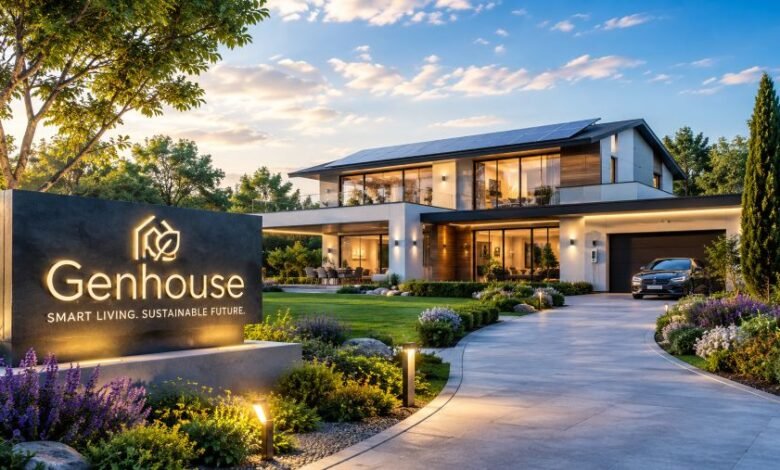
Genhouse can be understood as a new-generation approach to creating homes that combine thoughtful design, technology, sustainability, and everyday convenience. Instead of adding individual smart devices after a property has already been designed, the idea is to consider how different elements of the home can work together from the beginning.
What Is Genhouse?
At its core, Genhouse represents a modern approach to residential living. It focuses on designing homes around the requirements of today’s residents rather than simply following traditional layouts and building practices.
A Genhouse-style home may combine intelligent temperature management, efficient lighting, connected security, flexible rooms, improved ventilation, energy-conscious appliances, and practical interior design.
The objective is not to fill a property with unnecessary technology. Instead, technology should make everyday activities simpler while the physical design of the house continues to provide comfort and functionality.
This distinction is important. A genuinely smart home is not defined by the number of connected devices inside it. It is defined by how effectively those systems support the people living there.
Smart Technology That Works Around Your Lifestyle
One of the most noticeable elements associated with Genhouse living is smart home technology.
Connected thermostats, lighting controls, security systems, doorbells, sensors, and appliances allow homeowners to manage different parts of their property more conveniently.
For example, a smart thermostat can automatically adjust heating and cooling depending on schedules and household requirements. ENERGY STAR notes that certified smart thermostats are independently evaluated using real-world data to demonstrate energy savings, while also allowing homeowners to control temperature remotely.
Smart home energy-management systems can go even further by coordinating devices according to schedules, occupancy, and energy-use patterns.
The result can be a home that responds more effectively to the way its residents actually live.
Energy Efficiency Is a Major Part of Genhouse Design
Energy consumption has become an important consideration for modern homeowners.
Heating, cooling, lighting, insulation, windows, appliances, and building orientation can all influence how efficiently a house operates.
A Genhouse-inspired property therefore considers energy efficiency as part of the overall design rather than treating it as an optional upgrade.
Smart temperature controls can reduce unnecessary heating or cooling. Efficient appliances can lower electricity use. Quality insulation and properly selected windows can help maintain comfortable indoor temperatures.
The best results usually come from combining these improvements rather than relying on one individual product.
This integrated approach is one reason modern smart-home design is becoming increasingly attractive to homeowners who want both convenience and long-term efficiency.
Better Indoor Comfort and Air Quality
A modern home should not only look attractive. It should also provide a comfortable indoor environment.
Ventilation, humidity, temperature, filtration, and building materials can all affect indoor air quality.
The U.S. Environmental Protection Agency identifies source control, adequate ventilation, and supplemental filtration or air cleaning as important strategies for improving indoor air quality. The agency also recommends managing indoor moisture and humidity.
This makes ventilation an important consideration when planning a highly insulated or energy-efficient home.
Making a property airtight can help reduce unwanted energy loss, but appropriate ventilation still needs to be considered. EPA guidance notes that insufficient ventilation can allow pollutants and moisture to accumulate indoors.
For Genhouse design, efficiency and indoor comfort therefore need to work together.
Flexible Spaces for Modern Life
Another important feature of contemporary residential design is flexibility.
The traditional idea that every room should have one permanent purpose is gradually changing.
A spare bedroom, for example, might function as a home office during the week and a guest room when required. An open living space might include movable partitions that provide privacy without permanently reducing usable space.
Storage can also be incorporated more intelligently so that smaller properties remain organized without feeling crowded.
This type of flexible planning can be especially useful for families whose needs change over time.
People may begin working remotely, welcome new family members, require additional study space, or simply want their home to accommodate different activities.
Genhouse design considers these changing needs before they become problems.
Security Without Complicating Everyday Life
Modern home security is another area where technology can add meaningful value.
Smart locks, video doorbells, outdoor cameras, motion sensors, connected alarms, and lighting automation can provide homeowners with greater awareness of what is happening around their property.
Remote access may also allow residents to check doors, cameras, or security alerts while they are away.
However, smart security should remain simple to operate.
Adding dozens of disconnected apps and systems can make a home more frustrating rather than more convenient. A well-designed Genhouse setup therefore prioritizes compatibility and usability alongside advanced features.
Sustainable Choices Beyond Technology
Sustainability in modern housing involves much more than installing smart devices.
Material selection, construction quality, durability, water efficiency, natural lighting, landscaping, insulation, and the ability to repair or upgrade different parts of the property can all contribute to a home’s environmental performance.
Designing rooms to make better use of daylight may reduce the need for artificial lighting during daytime hours. Durable materials can reduce how frequently finishes need to be replaced. Water-efficient fixtures can help reduce unnecessary consumption.
These may appear to be relatively small design decisions, but together they can have a meaningful impact over the life of a property.
Is Genhouse Suitable for Existing Homes?
The principles behind Genhouse are not limited to newly constructed houses.
Existing homeowners can introduce many improvements gradually.
A property could begin with relatively straightforward upgrades such as smart lighting or a smart thermostat before moving toward better insulation, security systems, improved ventilation, efficient appliances, or larger renovation projects.
The key is to create a clear plan.
Instead of purchasing technology simply because it is new, homeowners should consider what problem each improvement solves.
Does it reduce energy use?
Does it improve security?
Does it make the house more comfortable?
Does it simplify a repetitive task?
Does it make the property more adaptable?
When the answer is clear, the upgrade is much more likely to provide lasting value.
Choosing the Right Genhouse Solutions
Every property and household is different, so there is no single configuration that will suit everyone.
Before investing in smart-home or energy-efficiency improvements, homeowners should evaluate the property’s existing condition, available budget, household routines, internet connectivity, energy consumption, and long-term plans.
Professional advice can also be valuable for larger projects involving electrical systems, heating and cooling equipment, insulation, ventilation, structural changes, or renewable-energy installations.
The goal should always be to create a coordinated home rather than a collection of unrelated products.
The Future of Genhouse Living
Residential design is increasingly moving toward homes that are more connected, efficient, comfortable, and adaptable.
Technology will continue to play an important role, but successful modern homes will not be defined by technology alone.
Good design still matters.
Comfort still matters.
Indoor air quality still matters.
Energy efficiency still matters.
And most importantly, the needs of the people living inside the property matter.
Genhouse brings these different priorities together into one modern approach to residential living. Whether someone is building a new property, renovating an existing house, or simply introducing a few intelligent upgrades, the same principle applies: every improvement should make the home easier, healthier, safer, or more efficient to live in.
That is what can turn Genhouse from a technology trend into a practical approach to better modern living.