

Introduction
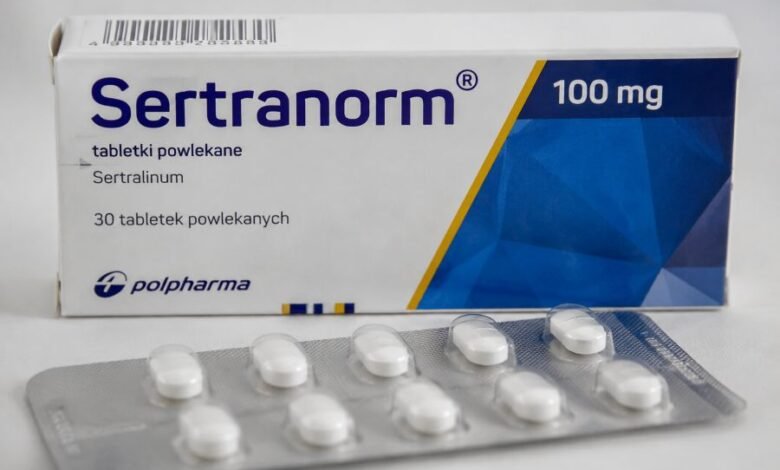
Sertranorm is a prescription medicine containing sertraline, an antidepressant from the selective serotonin reuptake inhibitor (SSRI) group. Medicines containing sertraline are widely used in the management of depression and several anxiety-related mental health conditions. Official product information for Sertranorm confirms that it is available as 50 mg and 100 mg film-coated tablets in its registered market.
Although antidepressants are widely prescribed, they are not suitable for self-treatment. A doctor considers symptoms, medical history, other medicines and individual risk factors before deciding whether sertraline is appropriate.
This guide explains what Sertranorm is, how it works, the conditions it may be used for, possible side effects, important interactions and precautions patients should understand.
What Is Sertranorm?
Sertranorm contains the active ingredient sertraline hydrochloride, which provides sertraline. It belongs to a group of antidepressants called selective serotonin reuptake inhibitors.
Official medicine documentation identifies:
- Sertranorm 50 mg film-coated tablets
- Sertranorm 100 mg film-coated tablets
The tablets are prescription-only medicines. The registered product information also notes that they contain lactose, which may be relevant for people with certain sugar intolerances.
Brand availability can vary significantly between countries, so patients should check the packaging and active ingredient rather than assuming that medicines with different brand names are identical.
How Does Sertranorm Work?
Sertraline affects serotonin signalling in the brain. Serotonin is a chemical messenger involved in mood, emotions and several other brain functions.
SSRIs reduce the reuptake of serotonin by nerve cells, allowing more serotonin to remain available between nerve cells. This action is associated with the therapeutic effects of medicines such as sertraline.
The medicine does not normally provide immediate relief. Some people may notice changes earlier, but the therapeutic response to antidepressant treatment can take several weeks to become clearer.
Patients should therefore not increase, reduce or stop their medicine simply because they do not notice an immediate improvement.
What Is Sertranorm Used For?
According to official product information, sertraline in Sertranorm may be prescribed for several recognised mental health conditions.
Major Depression
Sertraline is used to treat episodes of major depression. It may also be prescribed to help reduce the risk of further depressive episodes in appropriate patients.
Depression is considerably more than temporary sadness. It can affect mood, sleep, motivation, concentration, appetite, energy and everyday functioning.
Treatment may involve medication, psychological therapy, lifestyle measures or a combination of approaches depending on the individual.
Obsessive-Compulsive Disorder
Sertraline may be prescribed for obsessive-compulsive disorder (OCD).
OCD can involve unwanted recurring thoughts, known as obsessions, alongside repetitive behaviours or mental rituals known as compulsions.
Sertranorm’s official product documentation includes OCD among its authorised indications, including treatment in certain paediatric age groups under medical supervision.
Panic Disorder
Sertraline is also used in the treatment of panic disorder, whether or not agoraphobia is present.
Panic disorder involves recurring episodes of intense fear that may be accompanied by symptoms such as rapid heartbeat, trembling, sweating, breathlessness, dizziness or an overwhelming feeling that something terrible is about to happen.
Social Anxiety Disorder
Another recognised use of sertraline is social anxiety disorder.
People with this condition may experience intense anxiety in situations involving social interaction, observation or fear of embarrassment. Treatment decisions depend on the severity of symptoms and their effect on daily life.
Post-Traumatic Stress Disorder
Sertranorm may also be prescribed for post-traumatic stress disorder (PTSD).
PTSD can occur following exposure to a highly distressing or traumatic experience and may involve intrusive memories, nightmares, avoidance, heightened alertness and changes in mood.
Sertraline is one of the medicines used in the management of PTSD when medication is considered appropriate.
Sertranorm Dosage and Administration
The correct dose of Sertranorm depends on the condition being treated, age, response to therapy, side effects, medical history and other medicines being taken.
For this reason, there is no single dose that is appropriate for everyone.
Sertraline is generally taken once daily and can usually be taken with or without food. Doctors may begin treatment at a lower dose and adjust it gradually when necessary.
Patients should follow the instructions printed on their prescription and medicine label.
Do Not Change the Dose Yourself
Increasing the dose does not necessarily make the medicine work faster and can increase the risk of unwanted effects.
Similarly, reducing the dose without medical advice may interfere with treatment.
Sertranorm should only be used according to instructions from a doctor or pharmacist.
What Happens If You Miss a Dose?
If a dose of sertraline is forgotten, NHS guidance advises skipping the missed dose and taking the next scheduled dose as normal rather than taking two doses together.
Patients should follow their own prescriber’s advice if they have been given different instructions.
Taking an excessive amount can be dangerous and requires urgent medical advice.
How Long Does Sertranorm Take to Work?
Sertraline does not usually produce its full effect immediately.
People taking antidepressants may require several weeks before significant improvements become noticeable. Side effects, meanwhile, may occur earlier in treatment and can sometimes improve as the body becomes accustomed to the medicine.
Regular medical follow-up is therefore important during the early stages of treatment.
A lack of immediate improvement does not mean the medicine has failed.
Common Side Effects of Sertranorm
Like every medicine, Sertranorm can cause unwanted effects, although not everyone experiences them.
Common effects associated with sertraline include:
- nausea
- diarrhoea
- headache
- dizziness
- drowsiness
- dry mouth
- sleeping difficulties
- changes in sexual function
- reduced sexual desire
- vomiting
- changes in weight
Some effects may become less troublesome after the first few weeks of treatment. Persistent or troublesome symptoms should be discussed with a healthcare professional.
Serious Sertranorm Side Effects
Some reactions require urgent medical assessment.
Serotonin Syndrome
Serotonin syndrome is an uncommon but potentially serious reaction involving excessive serotonergic activity.
Possible warning signs can include agitation or confusion, sweating, rapid heartbeat, tremor, muscle twitching or unusual changes in body temperature.
Urgent medical attention is required if serotonin syndrome is suspected.
Severe Allergic Reaction
Rarely, medicines can cause severe allergic reactions.
Emergency medical attention is required if symptoms such as difficulty breathing, swelling of the mouth, tongue or throat, or a severe widespread allergic reaction develop.
Mania or Major Behavioural Changes
Sertraline can occasionally be associated with unusually elevated mood, excessive energy or behaviour consistent with mania.
Any substantial or unexpected behavioural change should be discussed promptly with a doctor.
Suicidal Thoughts
Antidepressant treatment requires particularly careful monitoring when it is started or adjusted.
Guidance warns that suicidal thoughts or self-harm thoughts can occur in some people taking antidepressants, with younger patients requiring particular attention.
Anyone experiencing suicidal thoughts, an urge to self-harm or an immediate danger to themselves should seek urgent professional help through their local emergency service or nearest emergency department.
Who Should Use Sertranorm With Extra Caution?
Sertraline is not suitable for every person.
Before prescribing it, doctors may need to consider conditions including:
- epilepsy or previous seizures
- diabetes
- heart disease
- glaucoma
- bleeding disorders
- previous episodes of mania
- liver problems
- other psychiatric conditions
A complete medication history is also important because sertraline can interact with prescription medicines, over-the-counter products and herbal supplements.
Sertranorm and Other Medicines
Drug interactions are one of the most important considerations when using an SSRI.
MAO Inhibitors
Certain monoamine oxidase inhibitors should not be combined with sertraline because of the risk of serious interactions.
Patients changing antidepressants should never switch medicines independently.
Blood-Thinning Medicines
Sertraline may require additional caution when used alongside anticoagulants or medicines that influence bleeding.
NHS guidance specifically advises patients to tell their doctor about medicines such as warfarin or apixaban.
Anti-Inflammatory Painkillers
Non-steroidal anti-inflammatory drugs, including medicines such as aspirin and ibuprofen, can also require consideration because combining certain medicines may influence bleeding risk.
St John’s Wort
The herbal supplement St John’s wort should not be taken with sertraline unless specifically directed by a qualified healthcare professional. NHS medicine guidance advises against combining them.
Patients should tell their doctor or pharmacist about every medicine, supplement and herbal product they use.
Sertranorm and Alcohol
Alcohol is generally best avoided while taking sertraline.
It can worsen some side effects and may interfere with treatment. NHS advice recommends avoiding alcohol while using sertraline.
Anyone who regularly drinks alcohol should discuss this with their doctor rather than suddenly changing significant alcohol consumption without professional advice.
Sertranorm During Pregnancy
Medication decisions during pregnancy require an individual assessment of benefits and potential risks.
Sertraline can sometimes be used during pregnancy when clinically necessary. A doctor should evaluate the mother’s condition, alternative treatment options and potential risks to both mother and baby.
Patients who become pregnant while taking Sertranorm should not suddenly discontinue it. They should contact the clinician managing their treatment.
Sertranorm While Breastfeeding
Sertraline may be compatible with breastfeeding in appropriate circumstances.
NHS guidance states that sertraline can often be used during breastfeeding, while specialist UK pharmacy guidance identifies sertraline as one of the preferred SSRIs during breastfeeding for full-term, healthy infants when an SSRI is required.
Individual medical advice remains important.
Can You Stop Sertranorm Suddenly?
Sertranorm should generally not be stopped abruptly without medical advice.
Stopping sertraline suddenly may cause withdrawal symptoms. A doctor will commonly reduce treatment gradually when discontinuation is appropriate.
Withdrawal effects do not mean that antidepressants are addictive in the same way as addictive substances. However, the nervous system can adapt to long-term treatment, which is why gradual dose reduction may be necessary.
Is Sertranorm Addictive?
Sertraline is not considered an addictive medicine in the conventional sense.
People do not normally take it to experience intoxication or a recreational high. Nevertheless, physical withdrawal symptoms can occur when antidepressants are stopped abruptly.
This distinction is important: withdrawal symptoms are possible even when a medicine is not considered addictive.
How Should Sertranorm Be Taken Safely?
Safe treatment involves more than simply taking a tablet every day.
Patients should:
- use Sertranorm only when prescribed
- follow the prescribed dose
- avoid doubling forgotten doses
- tell their doctor about other medicines and supplements
- attend recommended follow-up appointments
- discuss persistent side effects
- seek urgent help for severe reactions
- avoid suddenly stopping treatment
- keep the medicine out of the reach of children
People experiencing dizziness or drowsiness should avoid driving or operating machinery until they know how the medicine affects them.
Frequently Asked Questions About Sertranorm
Is Sertranorm an antidepressant?
Yes. Sertranorm contains sertraline, an SSRI antidepressant.
What strengths does Sertranorm come in?
Official registered product documentation describes 50 mg and 100 mg film-coated tablets. Availability may differ by country and pharmacy.
Can Sertranorm be used for anxiety?
Sertraline is prescribed for certain anxiety-related conditions, including panic disorder, social anxiety disorder and PTSD. The appropriate treatment depends on an individual’s diagnosis and medical history.
Does Sertranorm work immediately?
Usually not. Antidepressants often require several weeks before their benefits become clearly noticeable.
Can I take two tablets if I forget one?
Patients should not double a dose to compensate for a forgotten sertraline dose. NHS guidance recommends taking the next scheduled dose normally.
Can Sertranorm cause sexual side effects?
Yes. Reduced libido and other sexual difficulties are recognised possible side effects of sertraline and other SSRIs.
Is Sertranorm available without a prescription?
Sertranorm is a prescription medicine in its registered market.
Final Thoughts on Sertranorm
Sertranorm is a sertraline-based SSRI antidepressant used in the treatment of major depression and conditions including OCD, panic disorder, social anxiety disorder and PTSD. When prescribed appropriately, sertraline can form an important part of a broader mental healthcare plan.
However, treatment needs to be individualised. Side effects, interactions, existing medical conditions, pregnancy, breastfeeding and other medicines can all influence whether Sertranorm is suitable for a particular person.
Patients should never begin treatment using someone else’s prescription, alter their dose without medical advice or suddenly stop taking the medicine. Regular communication with a doctor or pharmacist is the safest way to manage treatment and address any unwanted effects.
Medical disclaimer: This content is intended for general educational purposes only and does not replace diagnosis, treatment or personalised advice from a qualified doctor, psychiatrist or pharmacist.