

Serumcu: Meaning, Website Overview, Skincare Uses, and Important Facts
Understand what Serumcu means, how the website works, its connection with facial serums, and what readers should know before following skincare advice.

Introduction
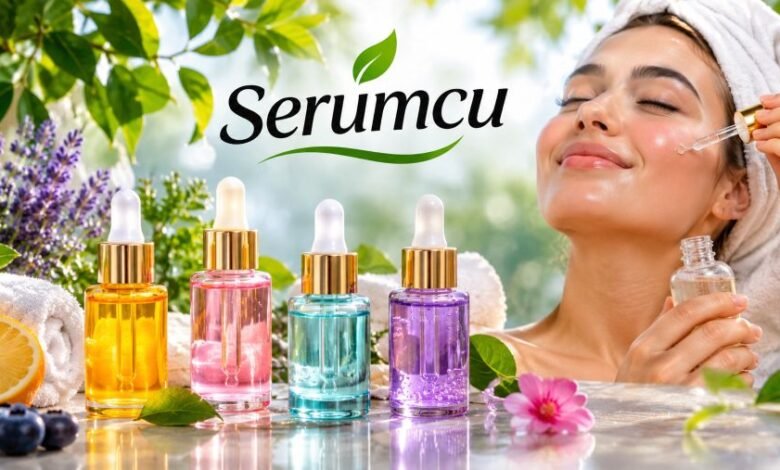
Serumcu is an unusual name that has appeared across skincare discussions and online articles. At first glance, it sounds like a beauty company, a special facial serum, or even a skincare professional.
The answer is a little different.
Serumcu is associated with skincare information, particularly facial serums and their ingredients. It is also the name of a website that publishes articles across several subjects, including beauty, business, technology, and lifestyle.
Understanding the difference matters. A website discussing skincare is not necessarily a cosmetics manufacturer, and a name associated with serums does not automatically represent a certified skincare service.
Quick Facts About Serumcu
| Feature | Details |
|---|---|
| Name | Serumcu |
| Main association | Skincare and facial serums |
| Website | Serumcu.com |
| Website type | Informational blog and online publication |
| Stated focus | Skincare education and product information |
| Other published subjects | Business, technology, news, and lifestyle |
| Language connection | Turkish-style suffix |
| Official medical qualification | Not established |
| Confirmed cosmetic product line | Not independently verified |
| Intended audience | General online readers and skincare enthusiasts |
What Is Serumcu?
Serumcu can refer to an online name associated with serums or to the website operating under that name.
The website describes itself as a resource for people interested in skincare, beauty routines, cosmetic ingredients, and product information.
Its stated purpose is to make skincare knowledge easier for readers to understand.
However, the website’s actual content extends beyond skincare. Articles about business, technology, public figures, and general information also appear on the platform.
That distinction is worth remembering.
Someone searching for Serumcu may be trying to understand the name itself rather than looking for a particular beauty product.
What Does Serumcu Mean?
The word appears to combine “serum” with the Turkish suffix “-cu.”
In Turkish, suffixes such as “-cı,” “-ci,” “-cu,” and “-cü” can describe a person associated with a profession, product, or activity.
Based on that language structure, Serumcu can loosely suggest someone who deals with or specializes in serums.
But this is a linguistic interpretation, not a universally accepted English definition.
The meaning also changes with context.
In cosmetics, a serum is generally a skincare product formulated to address particular concerns. In medicine, serum has a different meaning, referring to a component of blood.
Therefore, readers should not assume that every appearance of the word relates to facial skincare.
Understanding the Serumcu Website
Serumcu.com presents itself as an informational publishing platform.
Its About Us page discusses skincare education, ingredient awareness, product insights, and advice intended to help readers make informed decisions.
The website also states that its content is produced by skincare enthusiasts, writers, and researchers.
What Information Does the Website Offer?
Based on its published description, the website aims to address subjects such as:
- Facial serums and common skincare ingredients
- Skincare routines and product information
- Beauty-related questions and advice
- General informational articles
- Technology, business, and lifestyle subjects
The platform’s stated skincare mission should not be confused with independent verification of every article.
Readers should evaluate individual posts based on their sources, accuracy, publication dates, and the qualifications of anyone providing specialist advice.
Is Serumcu a Skincare Brand or a Blog?
Serumcu is an established website name, but its status as a dedicated cosmetics manufacturer has not been independently confirmed.
This creates a distinction between three different activities.
A skincare blog publishes educational information.
A cosmetics retailer sells skincare products made by various manufacturers.
A cosmetics manufacturer develops or markets products under its own brand.
These activities are not interchangeable.
The available website information clearly supports Serumcu’s identity as an online publication. It does not establish a specific company-owned serum formula or a verified manufacturing operation.
Readers considering a product advertised under a similar name should check the manufacturer and seller independently.
Why Are Facial Serums Popular in Skincare?
Facial serums are often used to address individual concerns, including dryness, uneven skin tone, acne, and signs of skin ageing.
Different products contain different active ingredients. Their effectiveness depends on the formulation, concentration, skin condition, and consistency of use.
Not every serum works for everyone.
Someone with dry skin may benefit from a hydrating product, while a person concerned about acne may need a treatment containing an ingredient supported by clinical evidence.
The important part is choosing a product based on a genuine skin concern rather than a popular name.
Common Skincare Ingredients Worth Understanding
The discussion around Serumcu provides a useful starting point for understanding several widely used cosmetic ingredients.
Hyaluronic Acid
Hyaluronic acid helps attract and retain moisture.
It is commonly found in hydrating serums and moisturisers, particularly products intended for dry or dehydrated skin.
A suitable moisturiser can help reduce water loss and support skin comfort.
Vitamin C
Vitamin C appears in products designed to address uneven skin tone and visible signs of ageing.
Some formulations can help improve the appearance of dark spots over time.
However, product stability and formulation matter, and sensitive skin may react to certain products.
Niacinamide
Niacinamide is a form of vitamin B3 used in many skincare formulations.
It is often selected for concerns involving uneven tone, redness, and skin appearance.
Individual results vary, so the complete product formulation remains important.
Retinol
Retinol belongs to the retinoid family.
It may help improve fine lines, uneven texture, and some acne-related concerns.
However, retinoids can cause dryness and irritation. They should not be used during pregnancy, and anyone with sensitive or inflamed skin should seek professional guidance before starting one.
Salicylic Acid
Salicylic acid is commonly used for oily and acne-prone skin.
It can help remove material that contributes to clogged pores, although excessive use may irritate or dry the skin.
Not every skincare routine needs an exfoliating ingredient.
How to Choose the Right Facial Serum
Choosing a serum does not need to be complicated.
Start by identifying what your skin actually needs.
A person dealing with dryness has different priorities from someone experiencing frequent breakouts or persistent pigmentation.
Check the full ingredient list, intended use, and manufacturer instructions.
Avoid assuming that a higher ingredient concentration always produces better results.
It also helps to introduce products individually.
Using several unfamiliar active ingredients at once can make irritation harder to identify.
If a skincare product causes persistent burning, swelling, or significant redness, discontinue use and seek medical advice when needed.
How to Add a Serum to Your Skincare Routine
A simple routine is usually a sensible starting point.
Morning routine
- Cleanse your face gently.
- Apply a suitable serum according to its instructions.
- Use a moisturiser if needed.
- Apply broad-spectrum sunscreen with SPF 30 or higher.
Evening routine
- Remove makeup and cleanse your skin.
- Apply an appropriate treatment or serum.
- Finish with moisturiser.
The exact order may vary with prescribed treatments and individual product directions.
Before using a new cosmetic product widely, test it on a small area of skin. Dermatologists recommend checking for possible reactions over seven to ten days.
And remember: sunscreen and moisturiser remain important even when serums are part of your routine.
What Should Readers Check Before Trusting Serumcu?
Online information can be useful, but the presence of a website does not automatically prove specialist qualifications or medical accuracy.
When reading Serumcu or any similar publication, consider the following points.
Content accuracy: Does the article explain its claims clearly and provide reliable evidence?
Author information: Are the writer’s qualifications visible when professional advice is involved?
Product transparency: Can you identify the manufacturer and full ingredient list?
Publication date: Is the information current enough for the subject?
Medical boundaries: Does the website distinguish general education from professional healthcare advice?
Serumcu’s published disclaimer says its information is intended for general educational purposes and does not replace professional guidance.
That is a useful distinction for anyone dealing with persistent acne, allergic reactions, pigmentation problems, or other skin conditions.
Is Serumcu Safe and Legitimate?
Serumcu.com is an accessible website with published information pages, including an About Us page and a disclaimer.
That confirms its online presence, but it does not automatically establish the reliability of every article or product claim.
Likewise, the existence of a website cannot independently confirm whether an associated commercial offer is safe.
If readers intend to buy a skincare product after reading an article, they should verify the seller, product origin, ingredient information, and return policy.
Avoid entering payment details on unfamiliar websites without checking their credibility.
For skincare concerns, information from qualified dermatologists and established medical organisations is a better basis for treatment decisions.
Final Thought
Serumcu is best understood through its context.
The name has a possible Turkish linguistic connection, while Serumcu.com describes itself as a skincare information resource and publishes articles across several additional subjects.
There is no confirmed basis for treating the term as a recognised medical qualification or a single clinically tested skincare product.
For readers interested in facial serums, the useful lesson is simple: focus on ingredients, credible evidence, skin compatibility, and product transparency.
Good skincare begins with informed choices, not an unfamiliar name.
Frequently Asked Questions (FAQs)
1. What is Serumcu?
Serumcu is a name associated with skincare information and facial serums. It is also used by Serumcu.com, an informational website that publishes articles on skincare and other topics.
2. What does Serumcu mean in English?
The word may be interpreted through the Turkish suffix “-cu,” suggesting someone associated with a product or activity. However, it has no universally established English skincare definition.
3. Is Serumcu a real website?
Yes. Serumcu.com is a website with published articles, an About Us page, and informational website policies.
4. Is Serumcu a cosmetics company?
There is not enough independently verified public information to confirm that Serumcu operates as a dedicated cosmetics manufacturer. Its website clearly presents an informational publishing function.
5. Does Serumcu sell facial serums?
Its published description focuses on skincare education and product insights. A dedicated company-owned serum range or verified online retail operation has not been established.
6. Is Serumcu a medical profession?
No recognised medical qualification is established by the name Serumcu. People offering medical skincare treatments should have appropriate professional credentials.
7. Can beginners use facial serums?
Yes, some facial serums are suitable for beginners. Product choice should depend on skin type, ingredients, and individual tolerance. Start gradually and test unfamiliar products before applying them widely.
8. How can I find reliable skincare advice?
Look for information from qualified dermatologists, established medical organisations, and reputable scientific research. Avoid relying solely on promotional claims or unverified product reviews.